
Impacts on soil ecosystems
With the large increase in world population comes more and more pressure on the land and hence the soil that supports it. Particularly in the last 200 years there have been huge pressures put on the land as the population has grown and the use of soils has extended into many new areas. Coupled with this is the way in which land has been, and is being, misused and damaged on an increasing scale. Ecosystems, whether they are above or below ground, are inevitably being changed. How much change can they tolerate and how much should we allow? To what extent are we degrading ecosystems which are vital to the continuing role of soils?
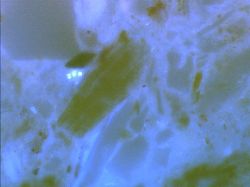 Going back over the thousands of years during which most of our soils were forming, apart from the occasional turbulent geological event, the soils were able to develop a natural symbiosis with the vegetation that grew on them. As the soils developed so too the vegetation changed and more or less stable ecosystems formed in which soil organisms had a crucial role. This took place over hundreds, even thousands, of years. Then humans began to take control of more and more of the soil and change the use to which it was put. This led to major changes in soil diversity but because of our relatively restricted knowledge of those previous ecosystems we are not sure how and to what extent this changed the soil organisms inhabiting the soil and the role they needed to play. As soil changes from one land use to another we know rather little about the impact this has on soil organisms, although a number of studies have shown that where arable farming has replaced forested land there are significant changes in the number of individual organisms and in the number of species. The extent to which this has a long term impact on the capabilities of the soils is still far from being fully understood. So as more and more land becomes used for agriculture to feed the growing world population we cannot be sure of the impact this will have on the natural soil fauna and flora.
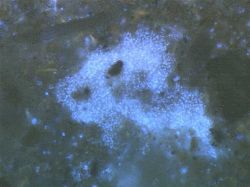 Pollution and contamination of the soil as a result of human activity is probably of more concern than a land use change. Whereas in the latter case soils may be able to adapt to the change in the course of time, in the case of pollution and contamination, significant strains of organisms can be wiped out. There have been numerous studies of the effect of contamination on soil ecosystems. Pollution generally reduces the species richness and there is some evidence of physiological changes in some organisms. There is evidence also to suggest that even polluted soils can still support quite high levels of microbial diversity. On the positive side, soil organisms can help in the decontamination of polluted soils. However, there is also evidence that certain pollutants can impair the role of some organisms. Far too little is known about the impact of pollutants upon the soil organisms both in the long and short terms.
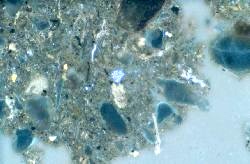 In the last two decades there has been growing interest in the possibility of developing various biological technologies to develop more productive and sustainable agricultural systems, particularly in respect to combating pests and diseases and in developing new plant varieties. Techniques being developed include cell culture, genetic engineering and protein engineering. The use of transgenic material (genetic material artificially transferred from another species) provide many possibilities for exciting new developments in crop production at a time when the world needs to face up realistically to large increases in human population. However, there are large associated risks to soil biodiversity at almost every stage of the ecosystem. Because we are far from understanding many aspects of the soil ecosystem, we run a large risk of damaging it as we strive to implement changes to this precious, vital system.