
More recent soils
Since the Devonian period there have been many changes to the climate and vegetation of the earth. Some geological periods like the Carboniferous (360-290 millions ago) were characterised by forest and swamps and would have had peaty soils, others such as the Permian (290-250 million years ago) had desert conditions and desert soils and that of the Jurassic (208-145 million years) had subtropical conditions in which the dinosaurs lived. The rocks that formed in these different geological periods reflected the climate and vegetation and so did the soils that formed.
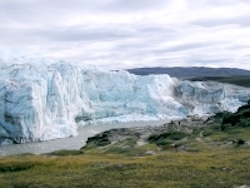 Geological time has been marked by turbulent times, with changing climates and major periods of mountain building alternating with quieter periods of more gradual landscape change. The type and patterns of distribution of soils within in any country or region continued to develop and change both within a geological period and from one geological period to another but would never be long away from turbulent times. One of the most turbulent recent events to alter the soil cover greatly was the Ice Age some two million years ago.
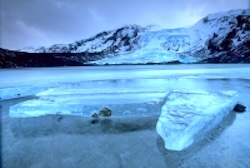 The Pleistocene Ice Age particularly affected northern Europe and the northern parts of North America. The ice sheets covered and moved over the landscape scouring away existing soils and mixing soils with other subsurface deposits. When the ice melted the materials moved by the ice sheet were further re-distributed by meltwaters from the ice sheets. There was little evidence after the ice sheets melted of the soils that had formed in previous geological periods. Instead most soil formation began again in the materials newly deposited by the ice sheets. Many of the soils in North America and Europe have developed in these deposits. Once the ice left and the climate began to warm up, so vegetation began to grow on the loose deposits and soil formation began again.