
Organic matter
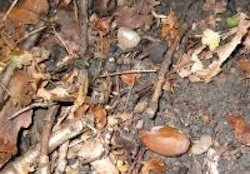
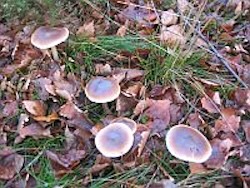 In soils under woodland and other natural or semi-natural vegetation there is usually a decomposition sequence of organic matter passing from more or less undecomposed organic matter at the surface, for example leaves that have fallen to the ground, to the organic remains becoming more and more decomposed with depth in the soil, until all that is left is an amorphous black mass without any visible structure or clear relationship to the original plant material from which it came. This organic matter is probably the most important of the components of soil because it is a source of valuable nutrients and also helps the soil to hold water and develop a good structure.
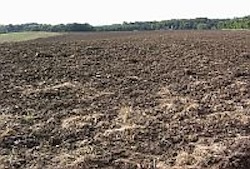 In soils under cultivation, as in agriculture and horticulture, ploughing and other working of the soil means that the organic material becomes thoroughly mixed with the mineral soil over a much larger depth than in non-agricultural situations. The organic matter and the mineral fraction become closely mixed together. The term topsoil is often used by farmers to describe this upper layer that is so important to them.