
The uses of soil
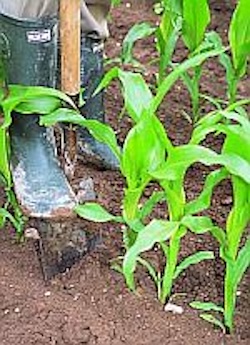
Soils are perhaps best known for their ability to grow plants. Soils are well known as the medium in which farmers grow crops for food to feed the world population. With the world population continuing to rise at a great rate it is more and more important to look after our soils well. Soils also support the forests of the world, the source of world timber which has many different valuable uses. Soils are important in influencing which plants will grow in a particular locality and are responsible for the wide range of flowers and shrubs that grow in nature. Soils are very important to the gardener who is able to manage them in gardens and allotments to produce flowers, fruit and vegetables.
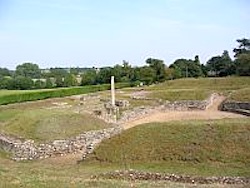 Soils are important in providing support for foundations of buildings, roads, railways and other parts of the infrastructure. Although soils may be considered as a hindrance in some engineering situations, nevertheless most structures rest on and in the soil and a knowledge of the soil is important in deciding which foundations are appropriate. Soils have also played an important part in protecting our buried heritage of archaeological and historic remains. The reason that so many of our interesting and priceless remains of previous societies still exist is that they have been preserved within the soil, such as this Roman amphitheatre.
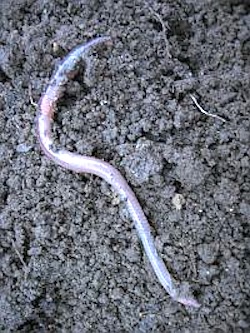 Soils regulate water movement across the soil surface and within the soil itself. Within all soils there is a store of water for plants and animals. Most of the water in rivers, lakes and aquifers has either passed through or over the surface of soils. The soil is also the home to an astonishing range of organisms ranging from badgers and rabbits, to earthworms like this one, down to tiny, tiny organisms that require a very strong microscope to see them. It is amazing that there can be more organisms in a spoonful of good soil that there are people in the whole world, namely several billion. These organisms have a range of roles in the soil, the most important of which is to release nutrients from decaying vegetation so that they can be available for the next generation of plants. In addition the many organisms play an important part in cleaning up contaminants that enter the soil as a result of industrial accidents (pollution).