
Threats to biodiversity
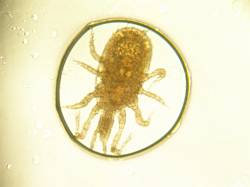
A feature of soil biodiversity is the very close harmony between the organisms in the soil and the vegetation that grows on it. For example a brown forest soil under deciduous woodland will have many macrofauna, such as earthworms and enchytraeids, as well as abundant bacteria, whereas a more acid podzol soil under coniferous pine forest will have fewer earthworms and many fewer bacteria than in the brown forest soil but many more fungi. This is just one simple example of the differences that can occur between two soils under different types of vegetation. There will be differences in the soil microfauna and microflora in many parts of the world with different soils under different natural and semi-natural vegetation. If the plant cover is disturbed or removed, as it is for crop production, this alters several aspects of the biodiversity such as the numbers and species. This has been shown many times. If the new use to which the soil is being put is much different from the previous one, then the changes to the soil biomass can be large. For example if a soil use is changed from grassland to arable cultivation on the same soil type, numbers of earthworms will fall and will continue to do so as organic matter levels decline in the arable soils.
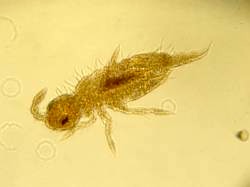 Many soils in recent years have had to experience increasing amounts of pollution. This includes the increased use of pesticides, particularly in agriculture, which has led to improved crop yields but also had undesirable side effects. While the pesticides can lead to better yields by removing pests to crops they can also have a damaging effect on the soil by changing the ecological balance of the soil and reducing the biodiversity. Deposition of heavy metals from sewage sludge and car exhausts is another case of pollution. It has been shown, for example, that earthworms that consume added sewage sludge containing high levels of metals will retain much higher concentrations of metals in their system and these can be passed into the food chain involving other animals. Acid rain, another source of pollution, leads to marked increase in soil acidity which in turn leads to a decrease in the number of species, particularly in the soil microbial community and to increasing fungal activity.
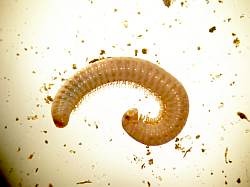 In the past two decades there has been a strong movement to genetically modify plants and organisms to improve crop yields. Much of this has been directed towards modifying agricultural crops to generate more resistance to pests such as insects, fungi and viruses. New techniques have been developed for transferring genetic material from one species of microorganism to another. It is now possible to identify the particular genes responsible for the particular trait in an organism, paving the way for development of genetically modified organisms (GMOs). The research offers exciting potential for the development of species that can kill pathogens and pests and improve the resistance of plants to disease. There is, however, significant concern that some of these GMOs will have undesirable side effects and because relatively little is known about the soil biodiversity may cause lasting damage to this all important soil property.