
The scale of the problem
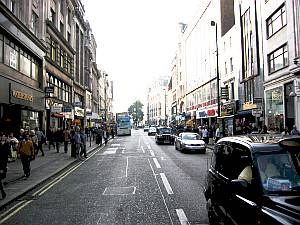
In most countries of the world there is rapid urban expansion. In Europe and North America rapid urbanisation has been proceeding for the last 200 years. In recent years, for example, according to the Commission of the European Communities, some 120 ha of land per day in Germany has been converted to urban development, in the Netherlands, some 35 ha per day and in Switzerland about 10 ha per year. In the United Kingdom, about 7 percent of the land is under buildings, in England the figure is about 10 percent and a further 2.5 percent is under roads and railways. In the Mediterranean countries, urbanisation is particularly marked around the coastal areas. In Italy, for example, over 40 percent of the coastal areas are now urbanised. Generally in Western Europe rates of urbanisation of land are beginning to slow down but there is still a big threat to land that should be kept for other purposes.
In most of the developing countries, such as those in Africa, Asia and South America, urbanisation began to accelerate in the 1950s and is gaining pace as more and more people leave the land to seek an improved life in the towns. For example, the urban population of Brazil was about 40 percent of the total in 1940 but by 1980 had risen to almost 70 percent. The same is true for many of the developing countries. Since many of the urban areas were formerly established in the more fertile areas of the countries the increasing development of urban areas is using up much of the better land. This, combined with increasing land degradation in many of these countries, is leading to such a decrease in the amount of fertile land that the future ability of these countries to grow food to satisfy the needs of a rapidly growing population is increasingly in jeopardy.
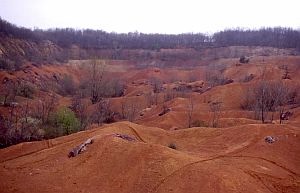 There is currently much derelict land around the world, resulting from mining, industry that is now defunct, derelict building sites, scrap yards, and many other sources. Most towns have a significant proportion of this land. These brownfield sites are very variable in nature and some are contaminated. After any necessary decontamination such sites should be used for building in preference to the use of greenfield sites. Often costs of decontamination will deter would-be builders and there is a need to develop better and cheaper techniques for decontamination. An inventory needs to be made of all contaminated land and the nature of the contamination present, and research and technology developed to make the sites safe where necessary. This at least will buy some time so that planning the future use of land can be better developed.