
Deforestation
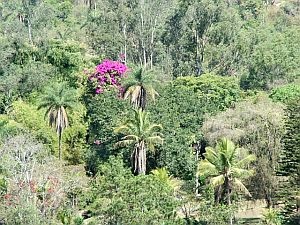
The rain forest, which covers a large percentage of the Earth is of huge importance for the well-being of the planet.The increasing deforestation is a matter of huge concern. The Amazon basin and Indonesia are just two of the areas where this is happening on a huge scale. Recent estimates suggest that 5-12% of the original rainforests have been destroyed, with the greatest loss being in Brazil, in South America.
Why are the rain forests being cut down?
Inaccessibility and poor roads had protected the rainforest, but that is changing fast. The reasons are varied but all are part of the modern trend by big businesses and governments to grab the world's riches and care very little about the impact on the area concerned. It has been discovered that some rainforest areas are rich in minerals: precious minerals such as gold and silver, and industrial minerals such as iron ore, lead copper, aluminium and zinc. Oil has been discovered in Ecuador and in parts of Africa.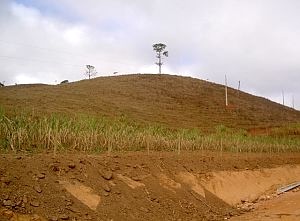 Commercial logging is a major factor, as are farming to feed the growing local populations and and cattle ranching, which requires a huge acreage of pasture. The potential of using the rivers for the production of hydro-electric power has been developed. All these activities require access, and many new roads have been built into the former forest areas. As a result of all this activity, the forests are being destroyed at an alarming rate. Many areas are cleared by burning, leaving the soil with little organic goodness and with the likelihood of wind erosion.
Why does this matter?
The loss of the rainforests is very closely linked with global climate change. Rainfall and wind patterns have been affected, with an increase in floods - which wash away the soil. The increased incidence of violent hurricanes is partly a result of these climate changes. It has been discovered that rainforest soils polluted with quantities of phosphorus and nitrogen, used in fertilisers may give off a considerably higher level of carbon dioxide into the air than other soils, increasing potential global warming considerably. This may be exacerbated by these chemicals being carried vast distances in the wind as a result of soil erosion, for example from Africa to the Amazon basin.When the forests are cleared by burning, there is a great increase in the carbon given off into the atmosphere: one of the major causes of climate change.
Bio-diversity - the destruction leads to the extinction or near-extinction of thousands of varieties of plants and of animals, both large and small. We are still discovering the potential of many rainforest plants to help produce medicines to fight modern diseases, and with the loss of so many plants, some potential discoveries will be lost to us. It is estimated that as many as one in four of our modern medicines come partly from rainforest plants. Nuts, spices, fruits and vegetables, plus many other items we use in the home come from rainforest products.The large-scale clearances have led to great suffering among the native indigenous people, who are displaced and lose their way of life. Their cultures are being lost for ever.