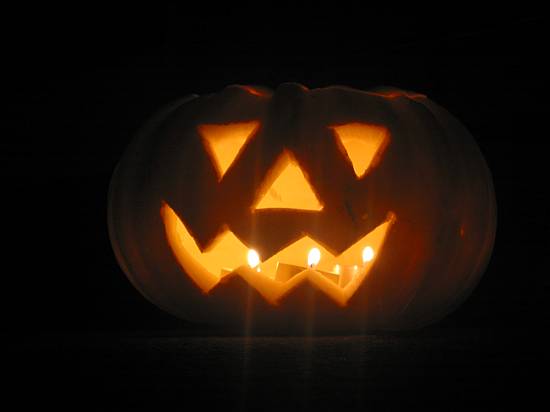
Grow a Pumpkin for Halloween
Have you thought about growing your own pumpkin, either at home or maybe in your school garden (have a word with you teacher). If you have space in the vegetable garden, this is what to do.
First prepare the soil by digging it over. Add plenty of compost or manure, then make an earth mound where each plant will go.
Plant you seeds 2 cm deep in a small flowerpot in late April or early May, using seed compost to give them a good start. It is worth planting several seeds in case they do not all germinate, then you can choose the best seedlings to plant out later. Keep the pot of seeds in a warm place, such as near your boiler and keep the compost moist. The seeds will take a while to germinate.
Of course, you may be lucky and find young pumpkin plants for sale in the Springtime.
When the weather gets warmer, transplant your seedlings from their pots to the place you prepared for them. The young plants will need protection from late frosts - if you use a cloche, be sure the plants have enough water.
As they develop, the plants will grow shoots. Mound the earth up around the first shoots to help the plant to establish itself firmly in the soil. Keep the plants watered and weed around them to keep the soil clear.
Look out for flowers on the plants during July. The pumpkins produce both male and female flowers: the male flowers are on long stems with pollen-coated centres and the female flowers have a short stem with the beginning of a tiny pumpkin fruit behind the flower. The bees will pollinate the flowers, but you can help by picking some of the male flowers, folding back the yellow petals to expose the pollen, and then gently touching this onto the centre of the female flowers.
To get a really big pumpkin it is a good idea to prune the plant so that it does not spend too much of its energy in growing new leaves and stems. To do this, leave about 3 or 4 main stems, growing in different directions from the centre of the plant and pinch back the side shoots as they reach 60cm long on these stems. Each shoot should produce a pumpkin, and when you can see which are the best, then remove the smaller ones. This allows the plant to put all its energy into growing really big fruit. It is best to rest the growing pumpkins on straw to keep them off the earth.
Harvest the pumpkins before the first frost by cutting with a long length of stem (ask a grown-up to help). Then leave the pumpkins in a sunny place for a few days. They can then be stored in a cool place until you are ready to cut out a pumpkin lantern for Hallowe'en. Don't forget that the inside of the pumpkin is delicious to eat. Look for some recipes in a cookery book.