
Soils in the hydrological cycle

Water reaches the soil principally in the form of rainfall though in some colder regions the main form of precipitation is snow. The soil plays an important part in the storage and distribution of the water that reaches it. The role the soil plays in the hydrological cycle is crucial for the maintenance of the biosphere, because it is provides water for plants, animals and humans. There are three main outcomes for the water that reaches the soil surface: (i) flow over its surface to reach the streams, lakes and rivers; (ii) entering the soil and partially filling pores from which position it provides water for plant roots and ultimately for the above ground parts of plants; and (iii) passing straight down through the soil, into the aquifers and rock bodies below.
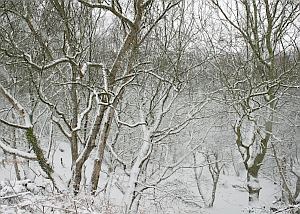 The nature of the soil influences greatly what happens to water falling onto it as rain and snow and flowing through it. Sandy soils are porous so that rainfall falling on them usually enters the soil easily and quickly and, because it has plenty of pores, rainwater and snowmelt will pass quickly through. Clay soils have a more complex flow mechanism. If clay soils are dry and contain cracks as they do in dry weather, water falling on the soil surface will pass quickly through the soil infiltrating to the aquifers below. If clay soils are wet, then movement through them is restricted and only small pores are available for passing water through. In this situation the soil may become waterlogged as the there is more water than can easily pass through the soil. The nature of the soil surface, together with slope of the land, play an important part in determining whether the incoming precipitation passes into the soil or flows over the surface.
If the precipitation rate exceeds the infiltration rate then the water will flow over the surface and into the water bodies that it feeds.The soil is often referred to as the 'unsaturated zone' because its saturation with water is at best intermittent and for most of the time the soils pores are not full. At some depth down through the soil there will be a saturated zone, in which the pores spaces will be fully saturated with water. Water table is the term used for the upper surface of this saturated zone. The water in this saturated zone will slowly find its way into the aquifers and into rivers and streams. In some soils the water table is high enough to be located within the soil depth. This gives rise to the gley soils described in the section on the main Soils of Britain.