
Unravelling the past
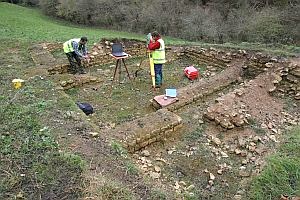
There are many techniques, some sophisticated and some very basic, that allow us to unravel previous use of the soil and detect some of the buried artefacts that are so valuable in reconstructing previous occupation of the soil. Aerial photography, involving taking photographs above the surface of the earth at various resolutions and at different seasons of the year, is an important technique in first identification of the possible location of archaeological sites. The photographs can show outlines of buried buildings and soil and crop marks indicating previous occupation of the land and changes to the landscape.
Once there is a good indication of an archaeological site being present, an archaeological dig may be undertaken. This involves a rigorous examination of a site by careful excavation of the soil and meticulous examination, recording and analysis of it layer by layer. Because many sites are endangered by the threat of building, in particular, there is a need to carefully document the site, identify the position of all the 'finds', and provide a safe home for all the important artefacts that are found. This is a particularly important because once the site is covered by buildings, as, for example, in the case of London Heathrow airport's new 'runway 5', as it is will not be available for inspection and analysis in the future
Various analytical techniques have been developed to help decipher the history of a site. Pollen analysis is one such technique. Pollen grains can be separated from the different layers of the soil and examined under the microscope. Depending on the nature of the soil, pollen grains from plants can be well preserved in different layers of the soil. They can indicate the type of native plants that have grown in the soil over previous centuries. They can also tell us what type of agriculture, if any, was practiced and whether the land has been under arable cultivation or pasture. Radiocarbon dating is a sophisticated method of dating organic materials that are found in the soil. Plants take up carbon dioxide as they grow. A proportion of the carbon dioxide contains the radioactive isotope of carbon, C-14. Because on death the plant no longer takes up carbon-14 and the amount already there decays at a known rate, the time that has elapsed since the plant died can be measured. Since many animals eat plants, their remains can be similarly dated. These are just two of the techniques that can be used to reconstruct the past use of the soil in the very interesting subject of archaeology.