Archaeological excavations
There have been thousands of archaeological excavations around the world in the past two centuries, supported by the many developments in archaeology, soil science and the increasing development of sophisticated analytical techniques. Soil profiles from around the world have been shown to contain evidence of the occupation of the land by major dynasties and civilisations. There are numerous examples in which the soil has provided a clue to the loss of the civilisation or dynasty. Causes include misuse of the soil leading to soil erosion or to the impoverishment of the soil, thereby making it unsuitable for agriculture and thus spelling an end to the particular civilisation.
Two notable examples from the United Kingdom which demonstrate well the influence of soil types on preservation of remains are those of Lindow Man from Northern England and Sutton Hoo from East Anglia. Lindow Man dates from the late Iron Age/early Roman period. The acid, anaerobic peat soils on the site of the discovery of the body were an excellent preservation material and when the body of Lindow man was found in 1984, he still even had skin and hair present. It was even possible to detect and identify the remnants of the last meal that he had eaten. The fact that the body was so well preserved in the anaerobic peat soil provided an amazing insight into the history of the period from 2,000 years ago. The Sutton Hoo site consists of an Anglo-Saxon burial ground dating from the early 7th century.
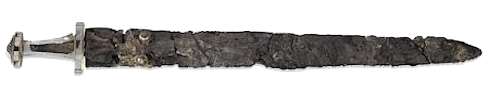
The site is on well drained, well aerated sandy soils. Discoveries included Anglo-Saxon ships, a wide range of weapons domestic objects and miscellaneous items. Many of these were well preserved in the aerated sandy soil. The fact that no bodies were found is thought to be due to the acidic, aerated soil under which conditions the bodies would have totally decomposed in the last 1,400 years, unlike in the case of the Lindow man.