
Managing the soil
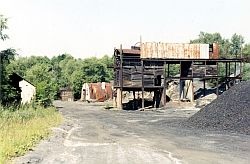
In restoring a damaged site, it is important to consider whether there is a need to restore only the vegetation, the soil or whether the whole ecosystem is to be changed - the aim of the project will affect the way the restoration is undertaken. If only the vegetation is to be restored, no deliberate alteration to the soil is necessary, although soil conditions are affected by plants so this will lead eventually to changes in soil properties.
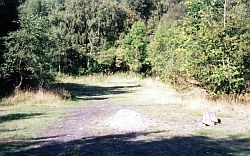 However, if the soil system is to be restored in a really damaged site as part of a 'whole-ecosystem restoration' project, a management plan will only be successful if it takes into account the long-term as well as the short-term. Work should not be undertaken too quickly or in the wrong order. The key is to try and work with existing conditions before altering the site. This minimises initial and long-term costs (restoring land correctly can be expensive), and limits the amount of monitoring required in later years. There are eight key soil parameters of importance for plants and the type of vegetation communities that can develop in a particular situation:
Soil texture - the physical balance of sand, silt and clay in the soil. Soil texture is a basic building block that affects many of the functions of soil such as soil moisture and organic matter retention.
Nutrients - how much nitrogen, phosphorus and other nutrients are present in the soil and how available they are for plants.
Soil acidity - Soil acidity (measured with pH) indicates whether the soil is alkaline, neutral or acidic. This affects how well plants can take up nutrients.
Soil depth - the total depth of the soil before rock is reached, and the depth of each of the banded layers (or 'horizons') in the soil.
Organic matter - decayed plant and animal materials. Organic matter is an essential part of the process of recycling nutrients and goodness back into the soil. Also a soil with lots of organic material holds a lot of water and is less likely to blow away in the wind.
Moisture - how wet or free-draining the soil is and/or how susceptible to flood or drought.
Porosity/permeability - air content and how easy it is for water to move through the soil. Healthy soils can be made up from about 40% air and water ? amazing if you thought soil was just solid!
Soil Fauna - above all soil is a home, a habitat for billions of organisms, most so small that you need a powerful microscope to see them.