
Other factors
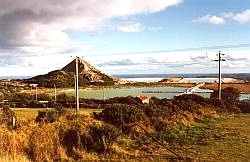
We have seen the eight key soil parameters affecting successful restoration. In any land restoration or reclamation project, testing these factors to see what levels they show and how these factors vary across a site is an important part of understanding what plants can grow and which vegetation communities can realistically be supported. There are other factors that are important as well as the immediate soil conditions, such as:
Topography - the 'lie of the land', how the shape of the land affects the local conditions - such as slopes affecting drainage.
Climate - the long-term patterns of rainfall, sunshine, temperature and wind exposure in a location should be taken into account.
Site history - what the land was previously used for. The problems associated with a former mineral quarry will be very different from an old factory. To understand the old use of the land is to gain an insight into the sorts of problems likely to be encountered.
Hydrology - the part the site plays in the water cycle. Are there aquifers underground which hold drinking water, or do important rivers flow through or near the site?
Archaeology - does the site have any especial archaeological significance and do the historic remains or objects buried in the soil need particular attention.
Proximity to specially protected land (nature reserves for example) - animals move around the countryside a surprising distance. To help this, there should be linkages between different habitats - rather like we build roads between towns. Establishing hedgerows is one example.
Local government planning regulations - there may be existing planning regulations that determine what can and can't be done in a particular location.
Overall, the nature and scale of the project is also important. Highly disturbed sites will require much more data than relatively undisturbed sites. Also, there will be more factors to take into account for a large-scale restoration projects than small, local ones. Understanding all these factors is essential to the success of any habitat restoration project, and appreciating and developing the soil conditions as a part of this is an extremely important in land restoration and reclamation.