
Measuring soil pH
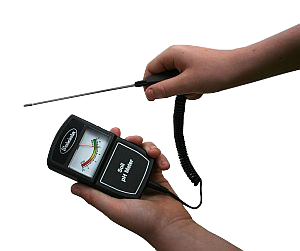
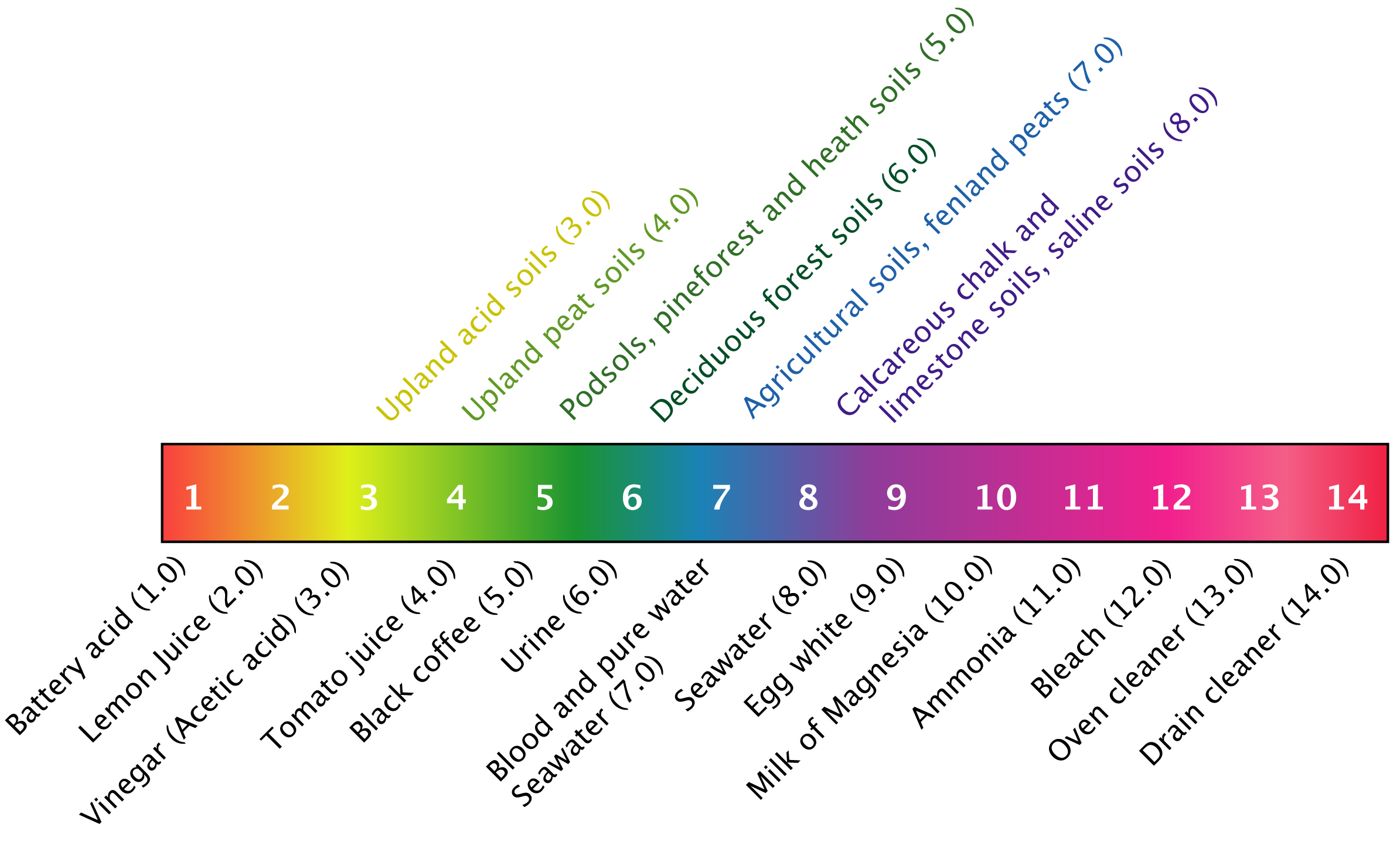
The pH scale is used as a measure of the degree of soil acidity. The range of the pH scale is from 0 to 14. On this scale a value less than 7 means that the soil is acid (also called 'sour'), and the smaller the value as it decreases down to zero, the more acid is the soil. Above 7 the soil is alkaline (also termed 'sweet'). For example, a pH of 5 means that the soil is 10 times more acid than a soil with a pH of 6, and a soil at pH 4 is 100 times more acid than one at pH 6. At pH 7, i.e. midway between 0 and 14, the soil is said to be neutral. Above pH 7 the soil is said to be alkaline and again a soil at pH 9 is 10 times more alkaline than one at pH 8 and 100 times more so than one at pH 7. Most soils have a pH between 4 and 9 but increasing acidification, caused by acid rain and other pollutants, is tending to drive the pH down even lower. Similarly at the other end of the scale, increasing salinisation of soils in some drier parts of the world is increasing the number of soils with high alkalinity.There are several ways of measuring the pH of the soil and a range of pH kits are now available. In the simplest form a small amount of soil is mixed with distilled water and a strip of litmus paper is placed in the mixture. The litmus paper changes to a colour that depends on the level of acidity, reddish colours indicating acidity, bluish colours alkalinity. The approximate pH is indicated by placing the litmus paper against a chart relating colours to pH level. A more sophisticated way of measuring pH is the use of a hand held pH meter. These have become increasingly less expensive and are easy to use. They can be obtained from most garden shops and nurseries.
 Most soil laboratories undertake pH measurements as a routine. Each soil sample taken for pH measurement should be a composite one, with the sample ideally taken from several adjacent spots and at the same depth in the soil, and mixed together. In the laboratory the soil sample is mixed with distilled water, usually in the ratio of 1:2.5 soil to water to simulate the soil solution as it would be in the field situation. A pH sensitive glass electrode and a reference electrode are placed in the soil suspension. An electrometric potential difference is established between the two electrodes, which is measured by a pH meter to provide the pH value. It is generally expected that laboratory measurements are more reliable than those of other methods but the other methods can still give a valuable pointer to the degree of acidity of the soil.