
Factors affecting soil pH
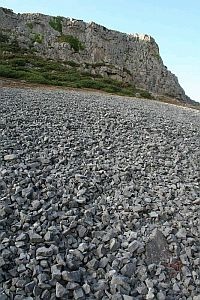
The parent material is perhaps the key factor that determines whether a soil under natural or semi-natural conditions is going to be acid or alkaline and where it is likely to be on the pH scale. In natural soils in particular, parent material is largely responsible for the pH of the soil. Some rocks from which soils form are naturally acid, for example, granite and rhyolite. Others are calcareous, such as those on chalk or limestone. Climate is also an important factor in determining the acidity of soils as they develop over centuries. Soils that form under high rainfall climates tend to be more acid than those under drier climates. This is because rainwater passing through soils picks up bases and leach them out of the soil into the rocks and water tables below. Progressive leaching over many years will deplete soils of their bases, making them more and more acid. Vegetation can also induce soil acidity.
 Human use of the soil can influence pH greatly. Pollutants passed into the atmosphere return to the earth's surface in rainfall and can have a strong acidifying influence on the soil. Waste that is added to the soil can also cause acidification as it decomposes. Some fertilisers, both chemical and organic, used to improve nutrient supplies in soils can also have an acidifying effect. The nitrogen from the fertiliser can be changed into nitrate and this releases hydrogen ions to increase acidity. If the pH is allowed to drop too low, i.e. below 4.5, and nutrients such as calcium and magnesium leached from the soil, this can have very harmful affects on crops and other plants. At the other end of the pH scale, i.e. where soils are alkaline, the soil can be affected not by too much acidity but by too much alkalinity. Thus in drier climates, where irrigation is used to supplement existing water supplies, it has often led to increased deposition of salts which has driven the pH too high for most crops. There are few crops that can tolerate pH levels above about pH 8.5 or below 5. Managing pH levels in soils is thus an important part of land use management.
Humans can also work to improve the pH of the soil. The most common method used by farmers and gardeners is to add lime to the soil. Liming has the advantage that it not only replaces the acidifying hydrogen ions and raises the pH but it also can provide much calcium and magnesium, highly desirable nutrients for plants. Liming also makes phosphorus more available for plant growth and also encourages increased decomposition of organic matter which releases other nutrients. Both farmers and gardeners are generally aware of the ideal pH range for growing crops, which is pH 5.5-7.5, and will be monitoring their soils to keep the pH within this range.