
Landscape, Vegetation and Organisms
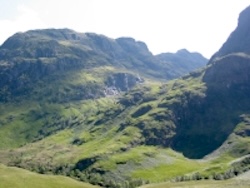
Landscape generally affects the depth or thickness of soils. Steep slopes such as occur on the sides of hills and mountains generally have shallow soils because soil that does develop is regularly washed down the hillsides into the valleys below. The steep sides of mountains may lack soils altogether and be bare. By comparison flat land such as occurs in valley bottoms, flood plains of rivers or just low lying plains will have deeper soils. These flatter areas often receive sediments washed off the slopes above, which makes the flat land soils deeper.
A close relationship between soil type and vegetation tends to develop as soils begin to form. Vegetation plays an important part in the formation of soils from solid rock. The acids released by the roots of some plants act to breakdown the rock on which the soil is forming. The vegetation on a soil is particularly important in supplying the soil with precious organic matter. There is often a close relationship between the vegetation and the soil, the vegetation supplying its dying remains to the soil and the soil converting them into nutrients so the vegetation can continue to survive and develop in years ahead. Different types of vegetation give rise to different forms of organic matter in soils.
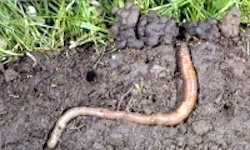 Organisms, of which there are millions and millions in the soil, play vital parts in soil development and in enabling the soil to undertake its many roles. Organisms begin to set up their home in the soil from the moment soils begin to form. Their main role is to deal with the recycling of organic matter and releasing nutrients but they do other important things such as create pores and build the architecture of the soil. Earthworms, for example, make channels in the soil through which roots can move and water can flow to other parts of the soil.