
Time and Man
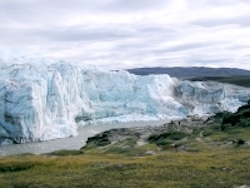
It takes a long time for soils to develop from rock and from existing sediments. A few world soils, such as those on the old landscapes of South Africa, are millions of years old. Most world soils are, however, much younger because periods of geological turbulence such as mountain building, earthquakes and ice ages have meant that soil formation has to begin again. Most soils in the United Kingdom are just a few thousand years old, therefore, much, much younger than some of the really old world soils. It is a good thing that soils are always continuing to form and develop more every day.
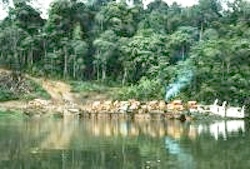 Human influences can have far reaching effects on soils. Farmers have cultivated and tended their soils for centuries and farmed soils differ in many respects to those under natural vegetation, for example by having a thicker topsoil due to ploughing and more nutrients because of added fertilizers. In most cases mankind has managed the soils well. In some parts of the world, though, soils have been damaged by human interference. For example, cutting down of parts of the tropical rainforest and cultivation of crops on steep slopes have led to soil erosion, which in some cases is irreversible. There is concern that with the pressures being put on our soils by human use, for example to produce more and more food, that we are damaging our soils.
 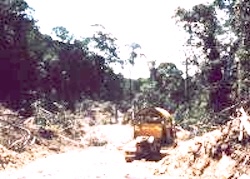 We must ensure this does not happen.
Soil formation is a complex process brought about by the interaction of several different influences, including increasingly the influence of man. Soil is a vital, precious, yet fragile commodity which needs to be understood and managed intelligently. We need to work with nature to ensure soils are allowed to develop, and are sustained, not destroyed.