Soil the controller
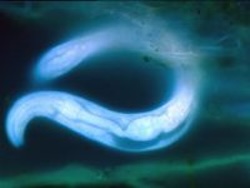
Soils provide the home for a huge number of organisms. In fact, there are more organisms in just a teaspoonful of good soil than there are people in the whole world.. The nature and quality of the soil, together with what is growing on it, have an important influence on the numbers and types of these organisms. In return these organisms are important in the supply chain of nutrients to plants and the creation of the soil structure. There is still much more to know about these organisms and the soil is described by some as the last great biotic frontier.
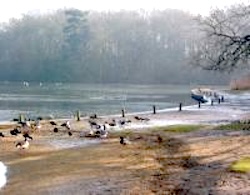 Soils play an important part in controlling what happens to the water from rain and snow fall that reaches the surface of the earth. Part of this water will flow over the surface of the soil and eventually find its way into streams, rivers and lakes. Part of the water that reaches the soil will enter the soil and be stored there for use by plant roots and organisms. Part of this incoming water may also pass through the soil quickly to the rocks and sediments below. The soil plays a vital role in distributing this incoming water. Where the incoming water goes to will depend very much on the texture and structure of the soil.
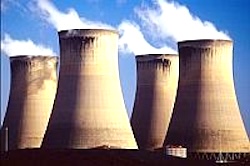 Over the past two decades there has been increasing concern about climate change. It is now accepted that the soil can play an important part in modifying the affects of climate change. The organic matter in the surface layer of soils contains very large amounts of carbon in its organic matter. This has the potential to increase the rate of climate change if it is released to the atmosphere but if the soil can continue to store it, then this can perhaps slow down or modify the rate of climate change. There is now much interest in how to control in the soil this potential source of carbon dioxide, one of the important greenhouse gases.