
Chemical / biological weathering
During the process of chemical weathering, which is a common process in most soils, rocks and minerals within the soil undergo transformations. Rocks and minerals which may be stable when buried deep down below the soil become less stable and more vulnerable as they come closer to the surface and more under the influence of climate, vegetation and living organisms. Surface zones have a very different environment to that which rocks encounter deep below the earth's surface. There are various chemical processes that take part in the weathering of rocks and minerals in the soils in this upper layer of the earth's crust. These include hydrolysis which takes place at the surface of the minerals and rocks once rainwater comes in contact with them. Reactions occur between the ions available from the minerals and those that make up water. New compounds are formed which become resident in the soil. Warm, wet climates, in particular, encourage strong chemical weathering.
Dissolution is another process that occurs in many soils and leads to the solid minerals becoming dissolved and their components released. In the dissolved form, nutrients can be taken up by roots of plants but it is also a form which makes it easy for them to be leached out of the soil into the ground waters below. Acidification is also an important chemical process that occurs in soils which can increase the rate of weathering. Weak acids occur normally in soils and these contribute to the weathering of soils. Oxidation and reduction are also important processes involved in weathering of minerals and evolution of soils. Oxidised minerals are generally more easily weathered by water and carbonic acid. Reduction takes place when there is a deficiency of oxygen, such as in waterlogged soils. It can lead to destabilisation of some minerals and the formation of others.
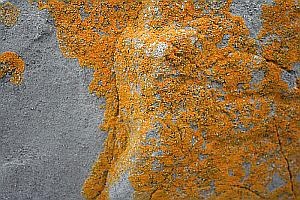 Biological weathering comes from two main sources, the components of organic matter and the roots and tendrils of plants. Rocks that become exposed on the surface of the ground, such as one sees in the uplands, gradually become converted into soils with the help of plant and animal life that begin to colonise them. For example, the first colonisers of a rock are often lichens, which are a symbiotic relationship between a fungi and algae. Lichens start a biological weathering cycle of the rock which is continued through mosses and the roots of grasses, each vegetation group playing a part in the weathering of the rocks through the acids they release. Eventually the roots of plants can get a hold in the rock and these can continue the process of the breakdown of the rock through the acids they release and through penetrating cracks in the rocks. Biological weathering is enhanced by various other biological processes including respiration from plant roots which releases carbon dioxide which then can combine with water to release carbonic acid. Carbonic acid is just one of the acids in soils that can help the chemical breakdown of rocks. Organisms can also form organic substances known as chelates which can remove some of the chemical components of rocks, thus aiding their decomposition. Although physical, biological and chemical weathering are treated separately in this section, in nature the processes unite to form the soils we see in our landscapes today and which provide many different functions for life on earth.