
Limiting erosion
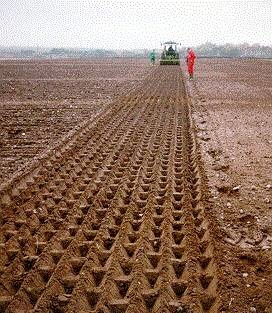
The primary way of limiting soil erosion is to make those who use and depend on the soil aware of the scale, effects and implications of such worldwide devastation so that operations that involve the soil have little or no damaging consequences. The other important way of restricting erosion is to ensure that the soil is maintained in the best possible state. Intensive farming has been one of main culprits responsible for soil erosion with its associated decline in organic matter content and loss of soil structure. Ensuring adequate organic matter levels and maintaining good structure are important in minimising soil erosion. In the case of the problems arising from deforestation and logging, stricter protocols are necessary to ensure that the methods used restrict soil erosion as much as possible, not encourage it. Deforestation of sloping land, in particular, needs to be carried out in ways that minimise erosion. The soil is very vulnerable to soil erosion after deforestation. Shifting agriculture that often follows deforestation can reduce erosion provided the length of the fallow period (this is the period of rest the land is given from cropping) is well observed. There are several methods available to reduce soil erosion by farming.
These include trying to avoid cultivation on slopes and particularly avoiding ploughing up and down the slope. On sloping sites, terracing has been used for centuries. This is a system whereby the sloping land is divided into a number of levels with a steep face between each level (like a flight of stairs). Cultivation takes place on the level areas. This has been tried and tested over centuries especially in the drier areas of the world. It works well when the terraces are well maintained but can act as a focus for erosion when terraces are neglected and fall into disrepair. Contour farming is another recommended procedure for reducing erosion on sloping land. It involves undertaking operations such as ploughing, seedbed preparation, drilling and harvesting along the contour rather than up and down the slope. Other techniques include reducing raindrop impact by increasing organic matter levels and conservation tillage which aims to keep as much vegetative cover on the soil for as long as possible in the farming year.
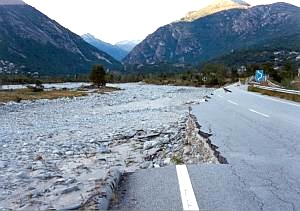 In the case of wind erosion, the golden rule also is to try and maintain reasonable levels of organic matter and a good structure, to keep the soil covered with vegetative material for as much of the year as possible, and to provide windbreaks of trees wherever possible. Wind erosion is particularly a problem on light soils which tend to dry out quickly. There are also some artificial methods of erosion control suitable for both wind and water erosion. These include the use of chemical soil conditioners, added to the soil to improve structural stability and decrease erodibility, but they are expensive and really only applicable to high value crops. Geotextiles, consisting of sheets of synthetic cloth and matting, can be used to cover the surface long enough for plants to germinate which then allows a plant cover to protect the soil. Again, these are expensive and not applicable to large areas of land. The overwhelming message is that prevention of erosion should prevail and the rate of erosion worldwide needs to be greatly reduced.