
Hydrological cycle - Summary
Did you know:
Water covers 70 percent of the earth's surface - that's a lot!
97% of the water of the planet is held in the Oceans
2.5% of the water of the planet is held in glaciers and ice caps. climate change and global warming is reducing this, adding to free water.
A very small amount (less than 1%) of the water of the planet is in the atmosphere, lakes and rivers, soil and in rock aquifers deep underground.
 Water processes:The main processes that return water to the atmosphere for re-cycling are:
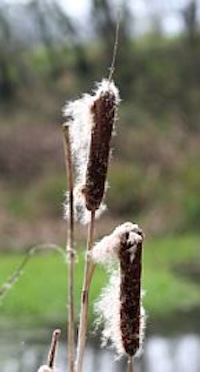
Transpiration from plants, where water passes as vapour out of the plant into the air through special pores called 'stomata'.
Evaporation from open water bodies (sea, lakes and rivers)
Evapo-transpiration from the land/soil surface. This is a combination of both evaporation (for instance from bare earth and tarmac) and transpiration (from plants).
When you look at a landscape, say walking through a woodland just look at all the plant matter and vegetation. Plants are constantly pumping water out from the soil - this is how they keep healthy and the water passes out into the atmosphere.
 Soils and hydrology:
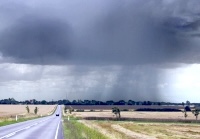
Soils help to manage the distribution of water coming from precipitation (rain, snow and hail).
Surface flow: this is water which flows over the land's surface to the river
Soil water: some water passes into the soil and remains there for some time. Here is is available for plant roots.
Percolation: this is water which soaks down into the soil to the water table and the aquifer below. Sandy soils have rapid percolation, whereas clay soils have very slow percolation - do you know why?
 The Unsaturated Zone:
Soil is called the 'unsaturated zone'. Below this, often down in the rocks beneath is the 'saturated zone'.
Water will always find its way towards other water bodies such as river and oceans - this is due to gravity.