
Sunken Lanes or Hollow Ways
What is a sunken lane? It is a road or path which has been worn away so that it is much lower than the surrounding fields. Sometimes the difference in height is several metres. On each side are earth banks, often with a variety of shrubs growing on them, and sometimes topped with trees.
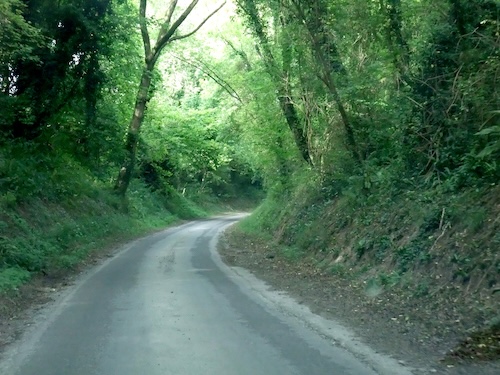 Sunken lanes, sometimes called hollow ways, are a common feature of areas where the underlying rock has a tendency to break down to form a sandy or chalky soil and are a very common feature, especially in the south of England. They have mostly formed over thousands of years of continuous use as people walked from one community to the next along ancient trackways or drove their animals to market, the soil getting worn down by the tread of many feet, hooves and cartwheels. In some cases the tracks existed right back in the Iron Age and indicate that we are still using many of the same routes that our distant ancestors used.
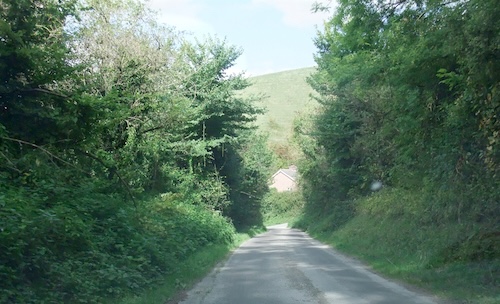 Some hollow ways have been formed more quickly, perhaps by water erosion. In all cases the effects of weather on the unpaved surface will have been a factor in speeding up the formation of the sunken way. Depending on the soil type of the earth banks and the amount of vegetation on them, there will also be erosion of the banks.
Today many of these tracks have been coated in tarmac, and thus will no longer continue to wear away with use. Those which remain unpaved have mostly become bridleways and footpaths. The sunken nature of these roads means that they remain often as single-track lanes, it being too difficult to widen the hollow unless the road is much used. These lanes form a delightful feature of our landscape and one has a real sense of history when using them.